Housing Market Trends 2026: The New Home Market Has Shifted From Expansion to Intention
For years, housing market trends forecasted a market that ran on acceleration. Bigger homes. Faster sales. Escalation clauses. Stretch budgets. “Buy now or miss out.”
That era has cooled. But here’s the nuance many are missing: The market isn’t collapsing, it’s shifting.
According to Zonda’s 2026 Market Update presented to the HBA of Metro Denver, we are entering what they call a year of reinvention.
And the data tells a clear story: The market has moved from expansion to intention. That shift is reshaping who is buying right now.
A Filtered Market, Not a Frozen One
Buyer confidence remains cautious. Entry-level housing is underperforming in Denver and Colorado Springs.
The traditional move-up and move-down segment is slightly underperforming as well.
At the same time:
- 75% of Denver homeowners hold mortgage rates under 5%.
- Mortgage rates are expected to hover around 6.1% in 2026.
- Equity gains over the past decade have been significant, even though year-over-year gains have softened.
This creates a filter. Stretch buyers hesitate. Highly leveraged buyers pause. Speculative buyers wait. But financially stable, equity-rich, lifestyle-driven buyers? They move forward.
The Rise of the Intentional Buyer
Location. √
Home Design. √
Price. √
Notice what’s not on that list: urgency. Today’s buyer is thoughtful. Strategic. Clear on what they want. And two groups are particularly well-positioned in this environment:

1. Double-Income, No-Kid (DINK) Households
Dual-income buyers without dependents are emerging as one of the strongest segments in today’s market.
Why?
Because they are less payment-sensitive and more lifestyle-focused. They aren’t buying for school districts. They aren’t stretching for maximum square footage. They’re buying for how a home supports the way they live.
Design trends should highlight exactly what this buyer values:
- Dedicated home offices. In fact, 73% of buyers refuse to consider homes without proper work-from-home setups.
- Natural light as the most powerful design element.
- Wellness-driven spaces including outdoor access and quiet retreats.
- The “sweet spot” in size: 1,500–2,500 square feet.
This is not excess-driven buying. This is curated living.
The DINK buyer is looking for quality over quantity. Smart layouts. Seamless indoor-outdoor connection. Energy efficiency. A kitchen that feels like command central. A home that works as hard as they do.
They are not chasing size. They are choosing intention.

2. Move-Down and Baby-Chasing Buyers
Baby Boomers remain a dominant force in homeownership, and many are preparing to right-size.
- 52% plan to downsize within the next five years
- 68% want accessibility features
These buyers are not retreating from the market. They are recalibrating. They have built substantial equity over the last decade. Even though equity gains softened year-over-year in 2025, many still have the financial flexibility to move.
What are they seeking?
- Single-level living
- Low maintenance
- Walkability and proximity to healthcare and amenities
- Bright spaces with strong natural light
- Durable, energy-efficient systems
They are not chasing bigger homes. They are chasing simpler living.
And many are chasing grandchildren. Closer to family. Closer to community. Closer to lifestyle.
Smaller, Smarter, Better
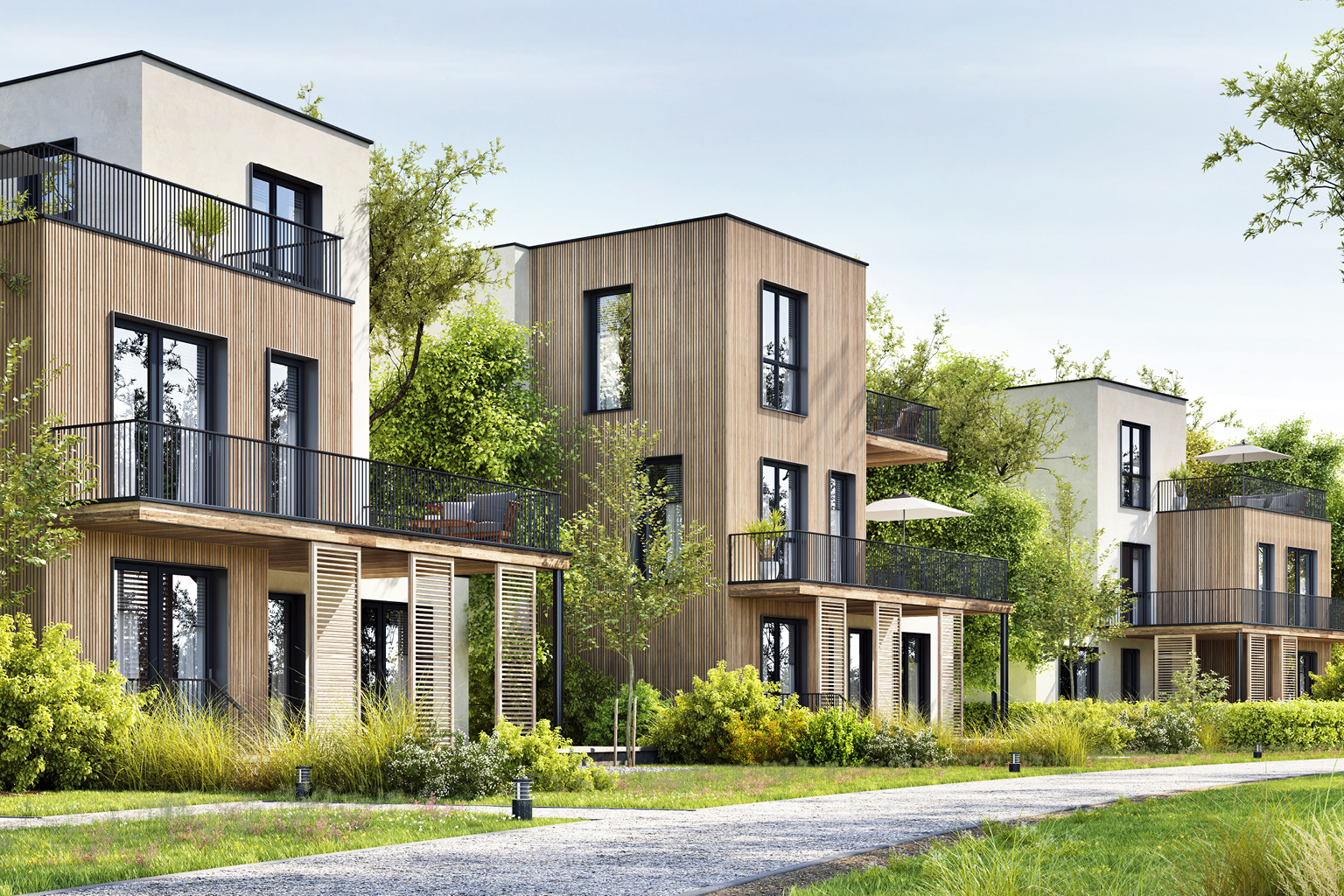
One of the most telling insights from Zonda’s 2026 update is the rise of compact, efficient living.
Homes between 1,500 and 2,500 square feet represent the optimal range for most buyers.
There is also growing interest in homes under 1,500 square feet driven by affordability and lifestyle choice.
That is a meaningful shift from the expansion years.
Buyers are asking:
Does every room serve a purpose?
Does this layout support my routine?
Does this home reduce friction in my life?
Function. Function. Function. The market has matured.
What This Means for 2026
The housing market is not defined by volume right now. It is defined by clarity.
The buyers who are active today tend to:
- Have strong household income
- Carry meaningful equity
- Value design and livability
- Prioritize energy efficiency and wellness
- Choose location deliberately
- Buy based on long-term lifestyle, not short-term speculation
In other words, they are not reacting. They are deciding.
From Expansion to Intention
In the expansion years, success meant offering more:
More square footage.
More upgrades.
More urgency.
In this new phase, success means offering better.
Better design.
Better efficiency.
Better alignment with how people actually live.
The market has sharpened. And for buyers who are financially stable and lifestyle-driven, this is a strategic moment for builders and developers to focus on every square foot and every opportunity for placemaking.
The era of expansion was loud.
The era of intention is quiet.
But it is powerful.
Yet that doesn’t mean a complete shift for your community or homebuilder brand. It’s about how your messaging, your positioning in the marketplace, your sales people, and your mindset meets the intention of your customers.
Let’s talk about what that means for your brand.